How Technology Is Transforming Modern Tourism Experiences
Not long ago, a trip required a stack of paper maps, a pocket phrasebook, and a phone call to a travel agent. Today, you can plan an entire multi-country adventure from your couch, pay for it with a tap of your smartphone, and navigate a foreign city without uttering a word.
This dramatic change isn't a coincidence. It's the result of technology silently reshaping every aspect of the travel industry. The role of technology in modern tourismis far more profound than just booking flights online.
It has fundamentally changed how we discover new places, how we experience them firsthand, and how we share our stories with the world. Technology has democratized travel, but it has also created new challenges for both the traveler and the industry itself. A clear understanding of these changes is essential for anyone who travels or works in the travel sector.
Key Takeaways
- Technology now influences every stage of the traveler journey, from inspiration to post-trip sharing.
- AI and big data enable hyper-personalized travel experiences and dynamic pricing strategies.
- Contactless solutions and biometric technology are reshaping safety and convenience standards.
- Virtual and augmented reality are transforming destination marketing and on-site experiences.
- Sustainable tourism benefits significantly from smart resource management and carbon tracking tools
- The digital divide remains a challenge that the industry must address for inclusive growth.
The Digital Revolution In Tourism Planning And Booking

The traditional model of tourism planning, visiting travel agencies, consulting guidebooks, and making phone reservations, has given way to a digital-first ecosystem that puts unprecedented power in travelers' hands.
Smart Travel Apps And Mobile-First Experiences
Mobile technology has become the primary interface between travelers and tourism services. Modern travel apps integrate multiple functions, including booking, navigation, real-time updates, and social sharing, creating comprehensive travel companions.
Leading platforms like TripAdvisor, Booking.com, and Airbnb have evolved beyond simple booking tools into sophisticated ecosystems. They offer features like offline maps, instant translation, currency conversion, and emergency assistance. These apps use location-based services to provide contextual recommendations, suggesting nearby restaurants when users are hungry or highlighting attractions during optimal visiting hours.
The mobile-first approach extends to payment systems as well. Digital wallets, mobile payment solutions, and contactless transactions have reduced friction in tourism transactions. Travelers can now book accommodations, purchase tickets, and pay for services without ever handling cash or physical cards.
Progressive web applications (PWAs)are bridging the gap between native apps and websites, offering app-like experiences without requiring downloads. This technology is particularly valuable in emerging markets where device storage and data costs remain concerns.
AI-Powered Personalization And Recommendations
Artificial intelligence has revolutionized how tourism businesses understand and serve their customers. Machine learning algorithms analyze vast datasets, including past bookings, browsing behavior, social media activity, and demographic information, to create detailed traveler profiles.
This intelligence powers recommendation engines that suggest destinations, accommodations, and activities with remarkable accuracy. Netflix-style recommendation systems now appear across tourism platforms, learning from user behavior to improve suggestions continuously.
Dynamic pricing algorithms adjust rates in real-time based on demand patterns, competitor pricing, weather forecasts, and local events. Hotels and airlines use sophisticated revenue management systems that can process thousands of variables to optimize pricing strategies.
Predictive analytics help businesses anticipate traveler needs before they're explicitly expressed. For example, AI can identify when a business traveler might want to extend their stay for leisure based on their booking patterns and calendar data.
Voice Search And Chatbot Integration
Voice-activated technology is changing how travelers interact with tourism services. Smart speakers and voice assistants on smartphones enable hands-free trip planning, allowing users to research destinations, check flight status, or make reservations while multitasking.
Conversational AI has evolved beyond simple query-response interactions to understand context, maintain conversation history, and handle complex, multi-part requests. Modern chatbots can assist with itinerary planning, provide local recommendations, and even handle booking modifications.
Voice search optimization has become crucial for tourism businesses as travelers increasingly use natural language queries like "find family-friendly hotels near the beach in Portugal" rather than typing keyword searches.
Integration with smart home devices allows travelers to manage their trips from their living rooms. They can adjust hotel room settings before arrival, check in for flights, or receive travel updates through voice commands.
Enhancing Tourist Experiences Through Emerging Technologies

Technology's role extends far beyond booking and planning; it's actively enhancing the on-ground experience for travelers in ways that were unimaginable just a few years ago.
Virtual And Augmented Reality In Destination Marketing
Virtual reality (VR) has transformed destination marketing from static images and videos to immersive experiences. Tourism boards and hotels use VR to provide virtual tours that let potential visitors explore destinations from their homes.
VR technology allows travelers to experience destinations virtually before booking, reducing uncertainty and increasing confidence in travel decisions. This "try before you buy" approach is particularly valuable for luxury resorts, adventure activities, and destinations that are difficult to reach.
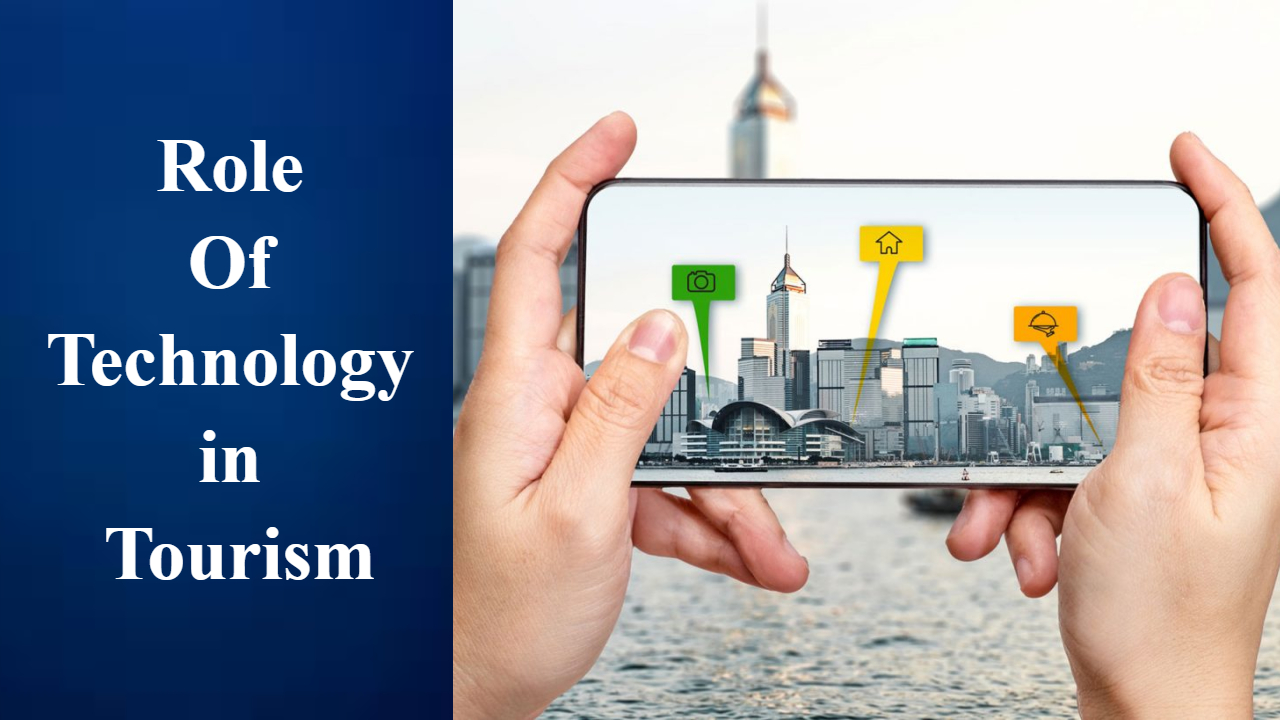
Augmented reality (AR)enhances real-world experiences by overlaying digital information onto physical environments. Tourism applications include:
Interactive city guides that provide historical information when tourists point their phones at landmarks. Museums use AR to bring exhibits to life with 3D animations and additional context. Restaurants overlay menu translations and dish photos when diners scan foreign-language menus.
Navigation improvements through AR-enhanced directions that show digital arrows and information overlaid on real-world views through smartphone cameras. This technology is particularly valuable in complex environments like airports, large hotels, or historic city centers.
Mixed reality experiences combine VR and AR elements to create entirely new forms of entertainment and education. Theme parks and cultural sites use these technologies to create experiences that blend physical and digital elements seamlessly.
IoT And Smart Destination Infrastructure
The Internet of Things (IoT)is enabling destinations to become "smart" by connecting physical infrastructure with digital systems. Sensors throughout destinations collect data on everything from crowd levels to air quality, enabling better management and improved visitor experiences.
Smart parking systems use sensors to detect available spaces and guide visitors to open spots through mobile apps, reducing traffic congestion and frustration. Some cities implement dynamic parking pricing that adjusts based on demand and encourages turnover in high-traffic areas.
Environmental monitoring through IoT sensors helps destinations maintain optimal conditions for visitors while protecting natural resources. Beach destinations monitor water quality and UV levels, while mountain resorts track snow conditions and weather patterns.
Crowd management systems use real-time data to prevent overcrowding at popular attractions. Digital signage can redirect visitors to alternative routes or suggest optimal visiting times based on current conditions.
Smart hotel rooms respond to guest preferences automatically, adjusting lighting, temperature, and entertainment systems based on time of day, weather, or personal settings stored in guest profiles.
Contactless Technology And Biometric Solutions
The push for contactless experiences, accelerated by the COVID-19 pandemic, has driven widespread adoption of touchless technologies across the tourism industry.
Biometric identification systems streamline airport security and immigration processes. Facial recognition technology allows travelers to move through checkpoints without stopping to present documents manually, reducing wait times and improving accuracy.
Hotels implement keyless entry systems using smartphone apps, QR codes, or biometric scanners, eliminating the need for physical key cards. Guests can access their rooms, elevators, and amenities through secure digital credentials.
Contactless payment systems have become standard across tourism services, from street vendors to luxury hotels. NFC (Near Field Communication) technology, QR code payments, and mobile wallets provide secure, hygienic transaction methods.
Self-service kiosks handle routine tasks like check-in, information requests, and ticket purchases, reducing wait times and freeing human staff to focus on complex customer needs.
Digital health passes and vaccination certificates streamline health verification processes, allowing destinations to maintain safety protocols while minimizing friction for compliant travelers.
Technology's Impact On Tourism Operations And Management

Behind the scenes, technology is transforming how tourism businesses operate, manage resources, and make strategic decisions.
Big Data Analytics For Tourism Insights
The tourism industry generates enormous amounts of data from booking systems, social media, review platforms, mobile apps, and IoT sensors. Advanced analytics platforms process this information to extract actionable insights.
Demand forecasting models analyze historical patterns, seasonal trends, and external factors to predict future tourism flows. Destinations use these insights for infrastructure planning, marketing budget allocation, and capacity management.
Sentiment analysis of social media posts and reviews provides real-time feedback on destination perception and visitor satisfaction. Tourism boards can identify emerging issues, track campaign effectiveness, and respond quickly to negative trends.
Customer segmentation based on behavior patterns helps businesses tailor their offerings and marketing messages to different traveler types. Advanced analytics can identify micro-segments with specific preferences and needs.
Performance optimization through data analysis helps businesses identify inefficiencies in operations, pricing strategies, and service delivery. Hotels use data to optimize housekeeping schedules, restaurants analyze traffic patterns to improve staffing, and destinations identify infrastructure bottlenecks.
Cloud Computing And System Integration
Cloud computing has democratized access to sophisticated technology solutions, allowing small tourism businesses to compete with larger enterprises through scalable, cost-effective systems.
Integrated management systems connect previously separate functions like reservations, inventory management, customer relationship management (CRM), and financial reporting into unified platforms. This integration eliminates data silos and provides comprehensive business views.
Scalability benefits allow tourism businesses to handle seasonal demand fluctuations without maintaining expensive infrastructure year-round. Cloud systems automatically scale resources up during peak seasons and down during slow periods.
Collaboration platforms enable distributed teams to work together effectively, particularly important for tourism businesses with global operations or seasonal staffing patterns.
Data backup and security features provided by cloud platforms often exceed what small businesses could implement independently, protecting against data loss and cyber threats.
Real-time synchronization ensures that information updates across all systems are made immediately, preventing overbooking issues and maintaining accurate inventory levels across distribution channels.
Automation In Hospitality And Service Delivery
Automation technologies are handling routine tasks throughout the tourism industry, improving efficiency and consistency while freeing human workers to focus on high-value activities.
Robotic process automation (RPA) handles repetitive back-office tasks like data entry, invoice processing, and report generation. This technology reduces errors and processing time while lowering operational costs.
Service robots appear increasingly in hotels and airports, handling tasks like luggage transport, room service delivery, and information provision. While still limited in capability, these systems continue to improve and expand their roles.
Automated revenue management systems adjust pricing across thousands of rate combinations and distribution channels simultaneously, optimizing revenue potential without human intervention.
Inventory management automation tracks supply levels, predicts needs based on occupancy forecasts, and automatically reorders supplies when necessary. This reduces waste and ensures adequate stock levels.
Marketing automation platforms manage email campaigns, social media posting, and customer communications based on predetermined rules and triggers, maintaining consistent engagement with minimal manual oversight.
Sustainable Tourism Through Technology Innovation
Technology plays a crucial role in making tourism more environmentally and socially sustainable, addressing one of the industry's most pressing challenges.
Carbon Footprint Tracking And Green Travel Solutions
Environmental awareness among travelers has driven demand for tools that help them understand and reduce their travel impact. Technology provides solutions for both measurement and mitigation.
Carbon calculators integrated into booking platforms show the environmental impact of different travel choices, helping travelers make informed decisions. These tools compare emissions across different transportation modes, accommodation types, and activity options.
Offset program integration allows travelers to purchase carbon credits directly through booking platforms, streamlining the process of compensating for unavoidable emissions. Blockchain technology ensures transparency in offset program verification and tracking.
Electric vehicle charging networks supported by smart grid technology make sustainable ground transportation more viable for tourists. Apps help travelers locate charging stations and plan routes accordingly.
Sustainable accommodation certification programs use technology to verify and display environmental credentials, helping conscious travelers identify eco-friendly options easily.
Flight optimization algorithms help airlines reduce fuel consumption through improved route planning, load management, and operational efficiency, benefiting the environment while reducing costs.
Smart Resource Management Systems
IoT sensors and smart systems help tourism destinations manage natural resources more effectively, balancing visitor needs with environmental protection.
Water management systems monitor usage patterns and detect leaks quickly, crucial for destinations in water-scarce regions. Smart irrigation systems adjust watering schedules based on weather forecasts and soil moisture levels.
Energy efficiency improvements through smart building systems optimize heating, cooling, and lighting based on occupancy patterns and weather conditions. Some hotels achieve significant energy savings through these automated systems.
Waste management optimization uses sensors to monitor bin levels and optimize collection routes, reducing truck emissions while preventing overflow situations that affect visitor experience.
Wildlife monitoring systems use camera traps, acoustic sensors, and satellite tracking to study animal behavior and ensure tourism activities don't negatively impact local ecosystems.
Visitor flow management through digital systems helps distribute tourist traffic more evenly, reducing environmental pressure on popular sites while highlighting lesser-known attractions.
Technology-Enabled Local Community Support
Technology platforms create new opportunities for local communities to benefit from tourism while preserving cultural authenticity.
Peer-to-peer platforms like Airbnb and local experience providers allow residents to monetize their homes, skills, and knowledge, distributing tourism revenue more broadly throughout communities.
Digital payment systems enable small local businesses to accept electronic payments from international visitors without expensive traditional banking relationships.
Translation apps and cultural bridge technologies help visitors engage more meaningfully with local communities, fostering better understanding and more authentic experiences.
Supply chain transparency tools help tourism businesses source products and services locally, supporting community economies while reducing transportation emissions.
Community feedback platforms give residents a voice in tourism development decisions, ensuring that growth benefits local populations rather than displacing them.
Challenges And Considerations In Tourism Technology

While technology offers tremendous benefits, its implementation in tourism faces significant challenges that must be addressed thoughtfully.
Privacy And Security Concerns
The tourism industry collects vast amounts of personal data, from passport information to location tracking and spending patterns. This data collection raises important privacy concerns that businesses must address proactively.
Data protection regulations like GDPR in Europe and CCPA in California impose strict requirements on how businesses collect, store, and use personal information. Tourism companies must ensure compliance across multiple jurisdictions while maintaining service quality.
Cybersecurity threats target tourism businesses because they hold valuable personal and financial data. Ransomware attacks on hotels, data breaches at booking platforms, and payment card fraud affect both businesses and travelers.
Biometric data collection for security and convenience purposes raises additional privacy concerns. Travelers worry about how facial recognition data, fingerprints, and other biometric information are stored and potentially shared.
Transparent privacy policies and user control over data collection help build trust, but many travelers remain concerned about surveillance and potential misuse of their information.
Cross-border data transfers complicate compliance efforts as different countries have varying requirements for data protection and government access to information.
Digital Divide And Accessibility Issues
Not all travelers have equal access to digital technologies, creating potential barriers to accessing tourism services and experiences.
Generational differences in technology adoption mean that older travelers may struggle with app-based services, QR code menus, and digital-only processes. Tourism businesses must maintain alternative service options to serve all customer segments.
Economic barriers prevent some travelers from accessing the latest smartphones, high-speed internet, or premium app features that enhance the travel experience.
Geographic limitations in internet connectivity affect both travelers from remote areas and destinations with poor digital infrastructure. Slow or unreliable internet can frustrate tech-dependent travelers and limit business capabilities.
Disability accessibility in digital systems requires careful design consideration. Screen readers, voice controls, and other assistive technologies must work seamlessly with tourism platforms.
Language barriers can limit the effectiveness of AI-powered translation tools and chatbots, particularly for complex queries or cultural nuances that automated systems struggle to handle.
Digital literacy varies significantly among traveler populations, and overly complex interfaces can exclude users who might benefit from technology but lack the skills to use it effectively.
Balancing Human Touch With Automation
While automation improves efficiency and consistency, the tourism industry must carefully balance technological solutions with human interaction that creates memorable experiences.
Over-automation can lead to sterile, impersonal experiences that miss the emotional connections that make travel meaningful. Travelers often seek authentic human interactions as part of their cultural exploration.
Cultural sensitivity requires human judgment that current AI systems cannot replicate. Automated systems may inadvertently cause offense or misunderstanding in diverse cultural contexts.
Complex problem-solving still requires human creativity and empathy, particularly when dealing with travel disruptions, emergencies, or unique customer needs.
Staff training becomes crucial as technology changes job roles rather than simply eliminating positions. Workers need skills to manage technology systems and focus on higher-value human interactions.
Customer preference surveys show that while travelers appreciate technological convenience, they also value having human support available when needed, particularly for high-stakes situations like flight cancellations or medical emergencies.
The cost of maintaining both technological and human service capabilities can be challenging for smaller tourism businesses, requiring careful strategic planning to optimize the mix.
The Future Of Technology In Tourism
The rapid pace of technological advancement promises even more dramatic changes in the tourism industry over the coming decades.
Emerging Technologies On The Horizon
- Quantum computing: Quantum computing may revolutionize optimization problems in tourism, enabling more sophisticated demand forecasting, route planning, and resource allocation than current classical computers can handle.
- Artificial General Intelligence (AGI): Artificial General Intelligence (AGI) could provide travel assistants with human-level understanding and creativity, capable of planning complex multi-destination trips while considering personal preferences, budget constraints, and real-time conditions.
- Autonomous vehicles: Autonomous vehicles will transform ground transportation, potentially reducing costs and increasing accessibility for travelers while changing the nature of road trip experiences.
- Advanced materials and nanotechnology: Advanced materials and nanotechnology may enable new forms of accommodation and transportation, from smart fabrics that regulate temperature to ultra-lightweight materials for more efficient aircraft.
- Brain-computer interfaces: Brain-computer interfaces, while still experimental, could eventually allow direct thought-based control of travel systems and immersive virtual experiences that engage multiple senses simultaneously.
- Space Tourism: Space tourism continues to develop from a novelty for the ultra-wealthy toward more accessible experiences, potentially opening entirely new categories of destination and travel experience.
Post-Pandemic Tourism Technology Trends
The COVID-19 pandemicaccelerated technology adoption and changed traveler expectations permanently in several key areas. Health and safety technology integration has become standard, with temperature screening, health certification apps, and contact tracing systems likely to remain common even as acute pandemic concerns fade.
Flexible booking systems that accommodate last-minute changes and cancellations have become essential features rather than nice-to-have options, driven by ongoing uncertainty in travel conditions. Remote work enablement tools support the growing "digital nomad" segment, with destinations investing in co-working spaces, reliable internet infrastructure, and long-term stay accommodations designed for working travelers.
Outdoor and nature-based experiences gained popularity during the pandemic, driving technology investments in outdoor recreation management, wilderness safety systems, and sustainable tourism infrastructure. Domestic and regional travel focus has led to improved technology infrastructure in previously overlooked destinations as countries seek to capture tourism revenue that previously went to international destinations.
Preparing For The Next Digital Transformation
Agile technology strategies allow businesses to adapt quickly to changing conditions rather than committing to inflexible long-term technology plans. This approach proved valuable during the pandemic and will remain important as change accelerates.
Ecosystem thinking recognizes that tourism success depends on collaboration between multiple stakeholders, transportation, accommodation, attractions, and local services, requiring integrated technology platforms that serve the entire visitor experience.
Sustainability integration must be built into technology decisions from the beginning rather than added as an afterthought, ensuring that digital transformation supports rather than undermines environmental and social goals.
Skills development programs help tourism workers adapt to changing job requirements as technology automates routine tasks and creates demand for new capabilities in areas like data analysis, digital marketing, and technology management.
Customer-centric design principles ensure that technology implementations improve rather than complicate the visitor experience, avoiding the trap of adopting technology for its own sake without clear user benefits.
Ethical frameworks for technology use help businesses navigate difficult questions about data privacy, AI bias, and the social impacts of automation in ways that maintain public trust and regulatory compliance.
Frequently Asked Questions
What Is A "smart Destination"?
A smart destination uses technology like sensors, data analytics, and mobile connectivity to improve the visitor experience. It can help manage traffic, provide real-time information about attractions, and offer personalized recommendations. The goal is to make a city or region more efficient and enjoyable for tourists.
How Has Technology Impacted The Travel Agent Profession?
Technology hasn't made travel agents obsolete; it has changed their role. Many agents now act as specialized consultants who use their expertise to create complex, bespoke itineraries. They handle the details and logistics for luxury or niche travel, using technology to enhance their service rather than just booking a simple flight or hotel.
Is Virtual Reality A Threat To Physical Travel?
VR is seen more as a travel motivator than a replacement. While it can offer a preview of a destination, it lacks the full sensory experience of a real trip, the smells, the tastes, the sounds. VR is a tool to inspire travel and help people decide where to go, but it will not replace the real thing.
How Do Airlines Use Technology For Baggage Handling?
Airlines use technology like RFID tags and GPS trackers to monitor luggage in real-time. These systems alert ground crews to bags that are not on track, which significantly reduces the rate of lost baggage and gives passengers the ability to track their bags through an app.
What Is The Biggest Challenge Technology Poses To The Tourism Industry?
The biggest challenge is striking a balance between providing a seamless digital experience and maintaining the authenticity of a destination. The pressure to be "Instagrammable" can lead to commercialization that harms local culture and environments.
Does Technology Make Travel More Sustainable?
Technology has a mixed impact on sustainability. While tools that optimize flight routes and manage energy consumption in hotels can help, the increased accessibility of travel can also lead to more people traveling, increasing carbon footprints. However, apps that promote local businesses or public transport can help.
What Are Some Examples Of AI In Tourism?
Examples include AI chatbots for customer service, AI-powered recommendation engines that suggest personalized tours, and dynamic pricing algorithms that adjust hotel and flight prices based on real-time demand.
Final Thoughts
Technology has fundamentally transformed modern tourism, creating opportunities for more personalized, efficient, and sustainable travel experiences than ever before.
The most successful tourism businesses and destinations will be those that thoughtfully integrate technology while preserving the human connections and authentic experiences that make travel meaningful.
This balance requires understanding that technology should enhance rather than replace the emotional and cultural elements that draw people to explore new places. Looking ahead, emerging technologies like quantum computing, autonomous vehicles, and advanced AI promise even more dramatic changes.