Power systems are the foundation of contemporary life since they use electrical components to deliver the necessary energy in all sectors. The systems provide energy to all kinds of loads, ranging from industrial machinery to home appliances, by creating a network of interconnected parts that distribute, provide, and transport electricity.
The energy that has been transformed is then used to generate and transmit energy. Substations for distribution, sub-transmission, transmission, and generating make up the whole power system network.
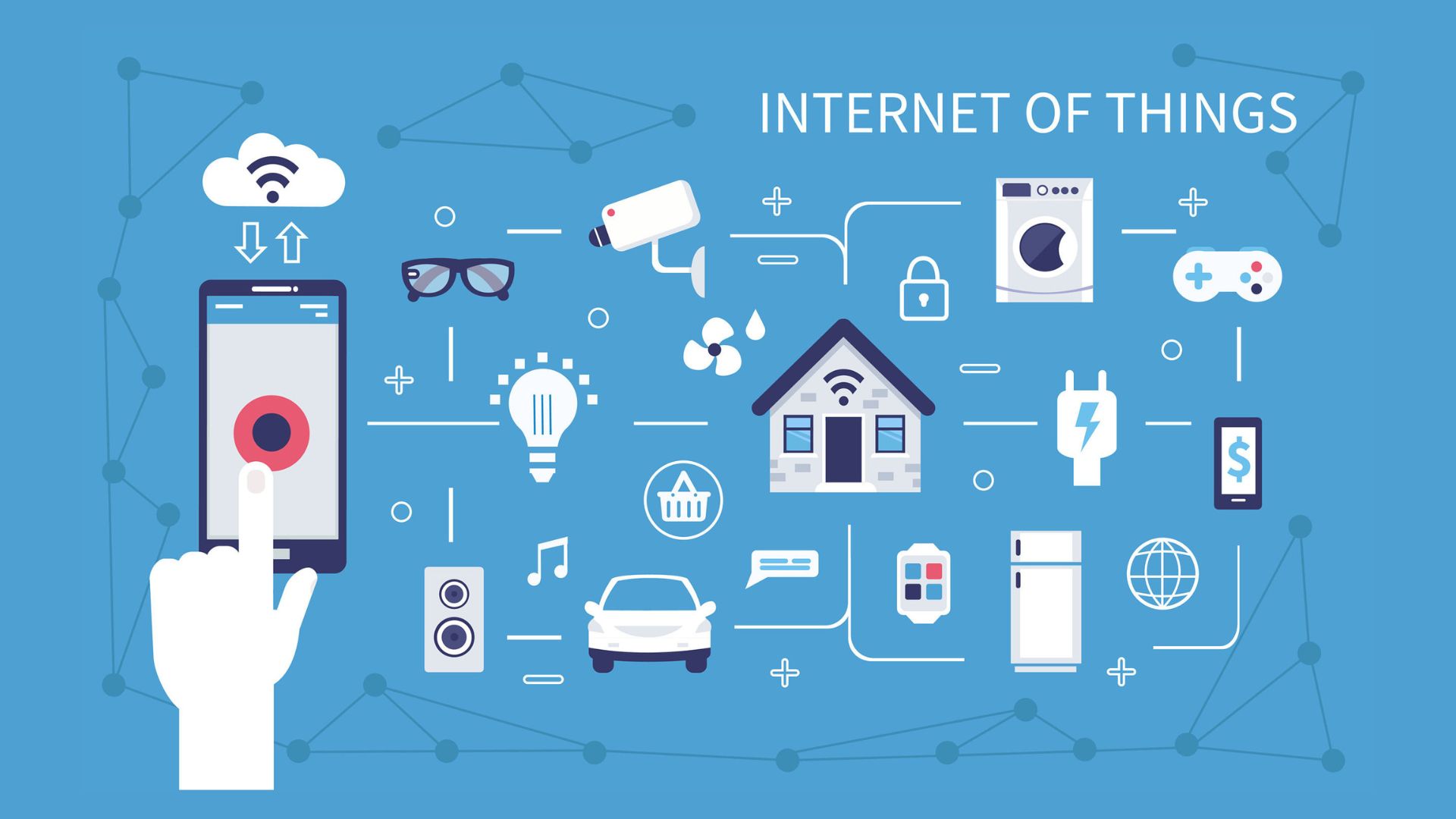
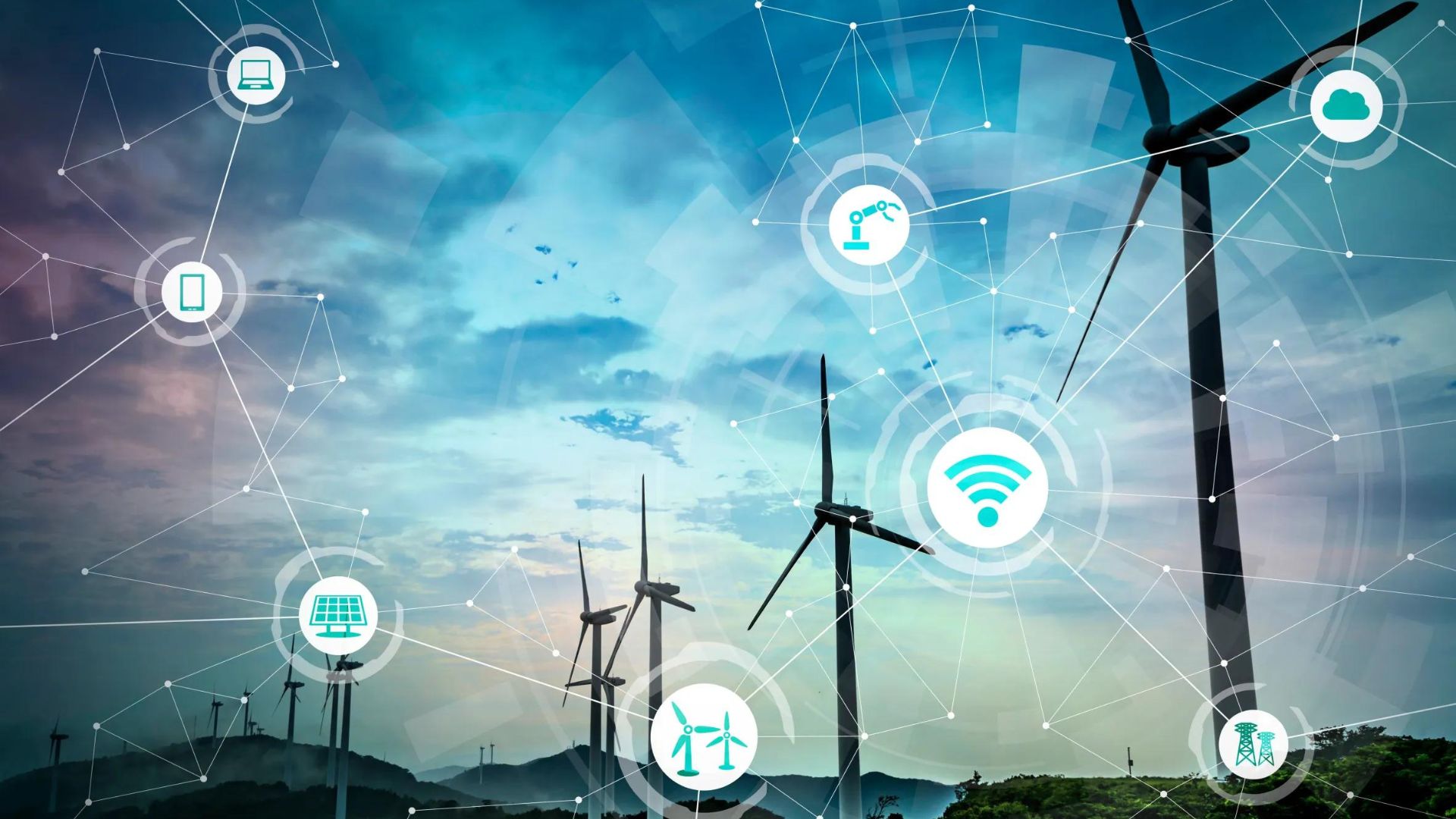
The use of IoT-powered solutions dramatically increases the efficiency of energy systems. A network of interconnected devices that share data is known as the "Internet of Things." IoT devices maximize storage capacity by allowing quicker data interaction through real-time data collection and cloud storage via sensors and actuators.
IoT technology has the potential for improvements in power networks, including intelligent grids, better data management and analysis, and flexible systems. Nevertheless, it is more complex to incorporate IoT-based solutions into current grids. The concept of IoT, its applications, the power of IoT in electrical systems, the main obstacles to IoT deployment in power systems, and some solutions are covered in this article.
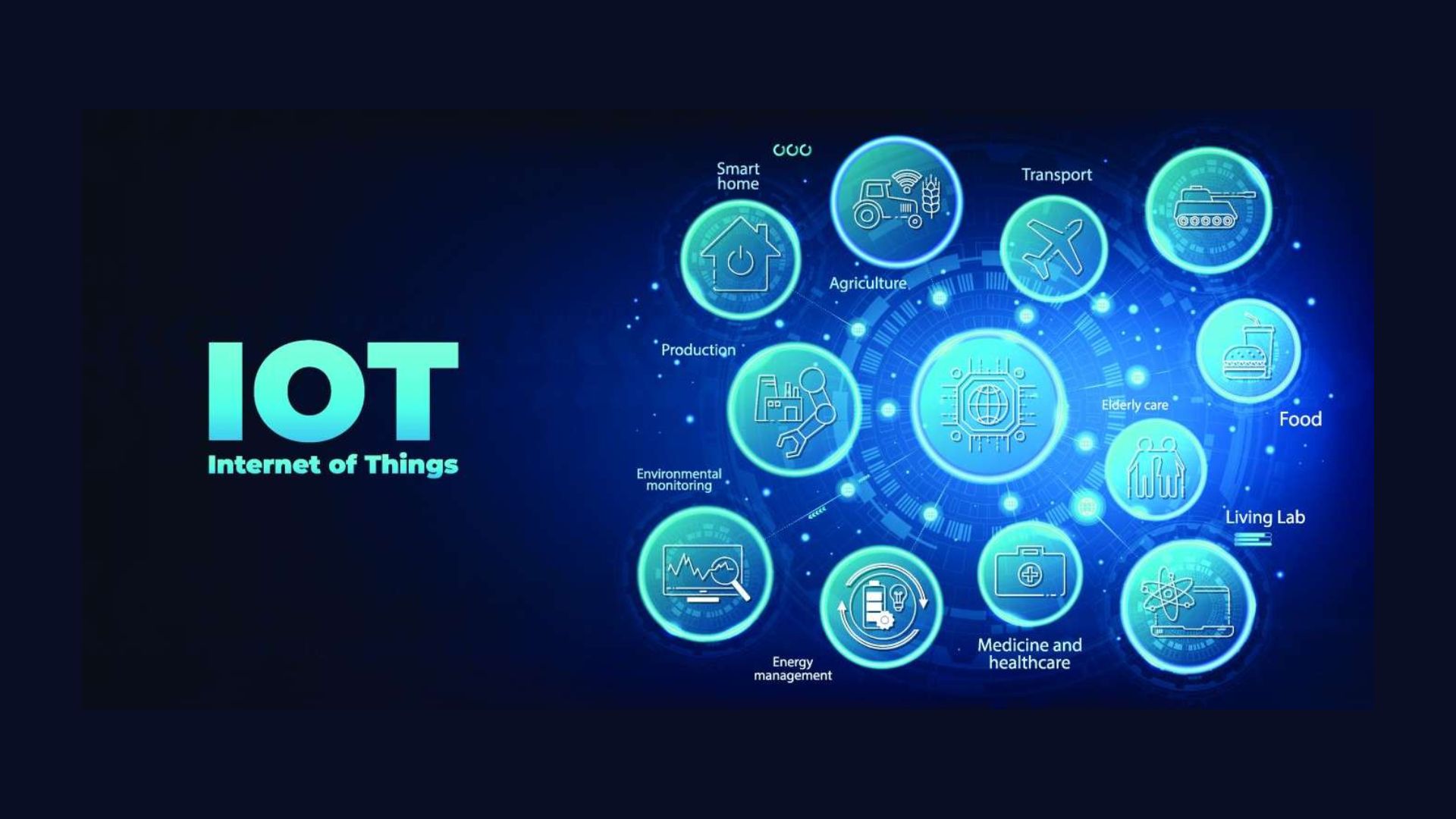
Internet Of Things In The Context Of Revolution 4.0
At this time, we are in the midst of the fourth industrial revolution, which is reshaping the way that many different types of enterprises operate. Stream and water power were crucial in the mechanization of the industry during the First Industrial Revolution. The subsequent one developed mass manufacturing through electricity and assembly lines.
The computerization that ushered in the Third Industrial Revolution also paved the way for the Internet of Things, which is now playing a significant role in the Fourth Industrial Revolution.
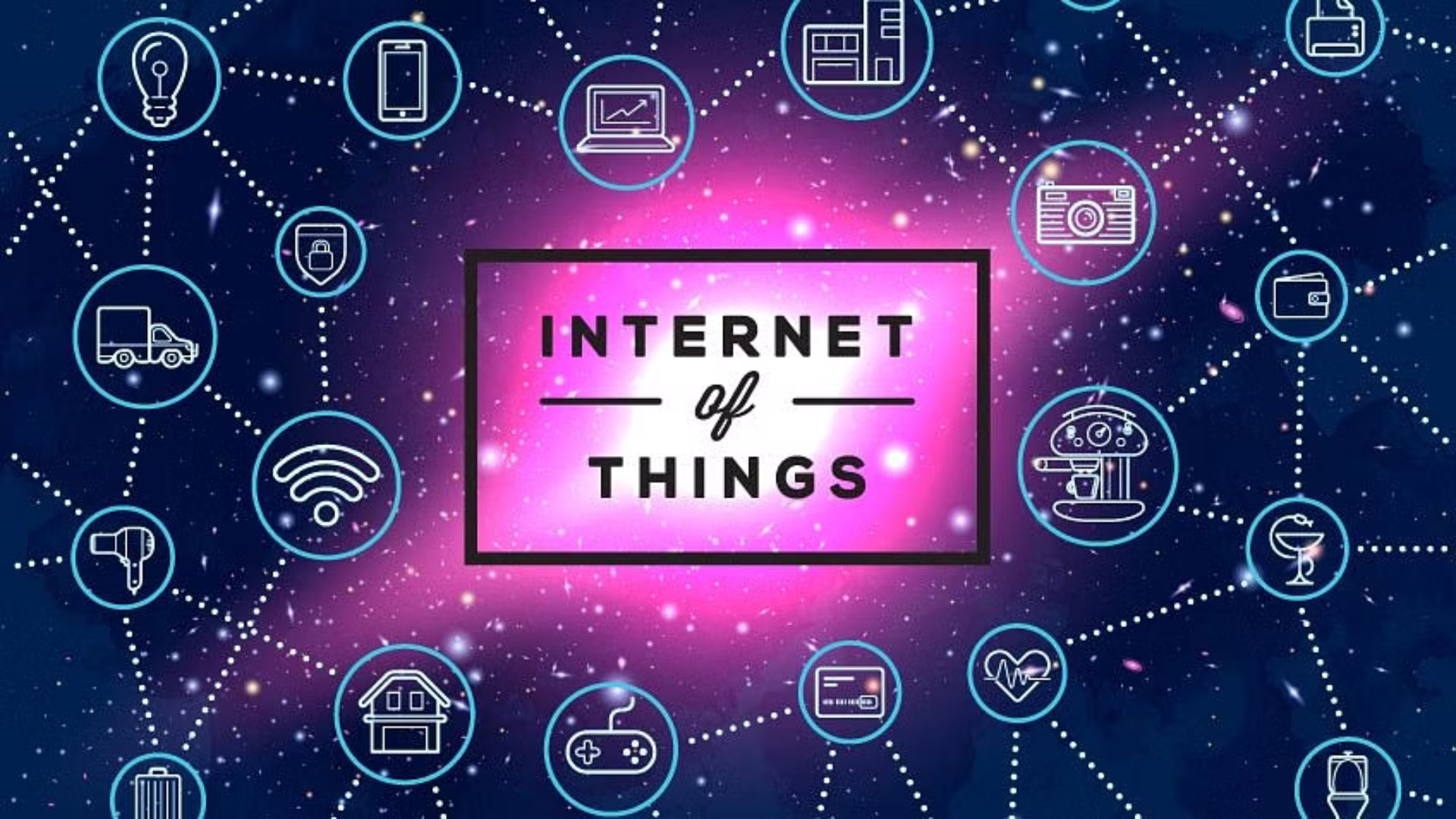
The Internet of Things, sometimes known simply as IoT, is a network of networked objects that can perform actuation and programmability. An IoT-embedded system may link numerous things via networks, enabling the gathering of data from multiple devices that can be monitored and controlled in real-time. An embedded system can collect this data.
Pros Of IoT
- Accessibility- IoT enables access to information from anywhere at any time on any device, increasing convenience and efficiency.
- Improved Communication - IoT improves communication between connected electronic devices, facilitating data exchange and coordination.
- Data Transfer Efficiency - IoT allows the transfer of data packets over a connected network, saving time and reducing costs.
- Data Collection- IoT collects large amounts of data from multiple devices, benefiting both users and manufacturers for insights and improvements.
- Edge Analytics- IoT can analyze data at the edge, reducing the need to send all data to the cloud, which can save bandwidth and processing time.
- Automation - IoT automates tasks, enhancing the quality of services and reducing the need for human intervention in various industries.
- Healthcare- IoT enables continuous and effective care for healthcare patients through remote monitoring and data collection.
Cons Of IoT
- Security Risks- IoT increases the attack surface as the number of connected devices grows, making it more vulnerable to cyberattacks and data breaches.
- Device Management - Managing a large number of IoT devices can be challenging, leading to data collection and management difficulties for organizations.
- Compatibility Issues- Lack of international standards for IoT compatibility can result in compatibility issues between devices from different manufacturers, hindering interoperability.
- System Bugs- Bugs or vulnerabilities in the IoT system can potentially corrupt other connected devices or compromise data security.
Overall, while IoT offers numerous benefits in terms of connectivity, data analysis, and automation, it also poses challenges related to security, management, and compatibility that need to be addressed as the technology continues to evolve.
Role Of IoT For Intelligent Electric Power Networks
EPESs are made up of several types of clients, including residential, commercial, and industrial establishments, as well as generation, transmission, and distribution (T&D) networks.
EPESs are today confronted with a large number of challenges, some of which include balancing the fuel mix, ensuring the dependability of power supply and quality, increasing asset level visibility, locating new income streams, retaining knowledge despite an aging staff, and integrating new technologies.
The fuel mix for the generation of electricity is becoming increasingly diversified and adaptable, and it now consists of centralized generation (fossil fuels and nuclear), distributed generation (renewables), and energy storage. Existing EPESs that only flow in one way are being converted into bidirectional intelligent electric power networks in order to meet the issues described.
"The intelligent power network is a consumer-centric, automated, adaptable, intelligent, and resilient network that facilitates the bidirectional flow of data and electricity. Energy storage is an essential component in the realization of bidirectional power flow, which paves the way for active consumer engagement in the process of selling and purchasing electricity.
A resilient, reliable, safe, and sustainable energy delivery network can be created through the implementation of cyber-secure technologies, intelligent device communications, and high-penetration distributed energy generation across all aspects of electricity generation, transmission, distribution, and consumption.
This results in an intelligent power network. It is capable of intelligent measurement and control, as well as self-healing capabilities. In addition to this, it is able to do real-time monitoring of the power network, which allows for improved failure prediction and diagnostics, as well as the prompt identification of abnormalities and weak areas.
There are several advantages to using IoT in intelligent electric power networks, including the following;
- Improved energy efficiency, as well as dependability, resilience, and adaptability
- A decrease in the total number of communication protocols increased information operation skills together with capabilities for networked operation.
- Enhanced command and management of domestic appliances
- Make it possible to get information on demand and to offer services from beginning to finish.
- Enhanced capability in terms of sensing
- Improved scalability as well as compatibility with other systems
- A decrease in the amount of damage caused by natural catastrophes
- Reduced the number of physical attacks (such as breaking into substations) on EPESs by continually monitoring the physical assets of the electric power network in real time.
IoT Enabled Electrical Wiring - Revolutionizing Home Automation
Homeowners may create innovative, networked environments where appliances and gadgets easily interact with one another for improved automation and control by installing Internet of Things-enabled electrical wiring.
An innovative development in home automation is IoT-enabled electrical wiring. With the help of this technology, homes can integrate all of their electrical equipment and gadgets into a single, coherent ecosystem that improves convenience, security, and energy economy. With the unparalleled amount of control this technology gives homeowners, it opens up a world of possibilities.
Here are the Key Features and Advantages of IoT-Enabled Electrical Wiring.
Device Integration
Homeowners may easily combine many systems and gadgets, such as entertainment systems, HVAC, security cameras, and lights, into one network by using IoT-enabled electrical wiring.
There is no longer a need for different applications or remote controllers for every device thanks to this integration, which allows for centralized control and coordination.
Remote Access And Control
Using their smartphones or tablets, homeowners can access and manage their Internet of Things (IoT)-)-enabled electrical system from any location.
They may get messages, change settings, and even remotely monitor energy use using this capability. It provides a great deal of flexibility and convenience, particularly for people who own several residences or travel frequently.
Energy Effectiveness
Homeowners may improve energy usage by automating numerous activities with the help of IoT-enabled electrical wiring. For instance, heating and cooling systems may vary according to occupancy or weather, and lights can be programmed to switch off automatically when a room is empty.
In addition to lowering utility costs, these energy-saving measures support a more environmentally conscious and sustainable way of living.
Enhanced Protection
Homeowners may enjoy enhanced security features by integrating door/window sensors, motion sensors, and security cameras into their IoT-enabled electrical system.
They are able to get alerts in real-time about any possible dangers or unwanted access. In order to discourage intruders, homeowners may also use remote monitoring and even occupancy simulation while they are abroad.
The Role Of Industry Statistics
Statistics from the industry show how necessary IoT-enabled electrical wiring is becoming to the home automation sector. The worldwide smart home market is expected to develop at a compound annual growth rate (CAGR) of 16% over the forecast year, reaching $133 billion by 2025, according to a study published by MarketsandMarkets.
This suggests that there is a high demand for IoT-enabled electrical wiring and other smart home solutions. Furthermore, a Statista analysis shows that home automation technology and energy-efficient appliances are becoming necessities for homeowners.
According to the study, 39% of participants feel that smart home technologies improve their quality of life, while 37% of respondents are interested in buying these items to increase sustainability. These figures highlight how IoT-enabled electrical wiring may fulfill the requirements and preferences of contemporary households.
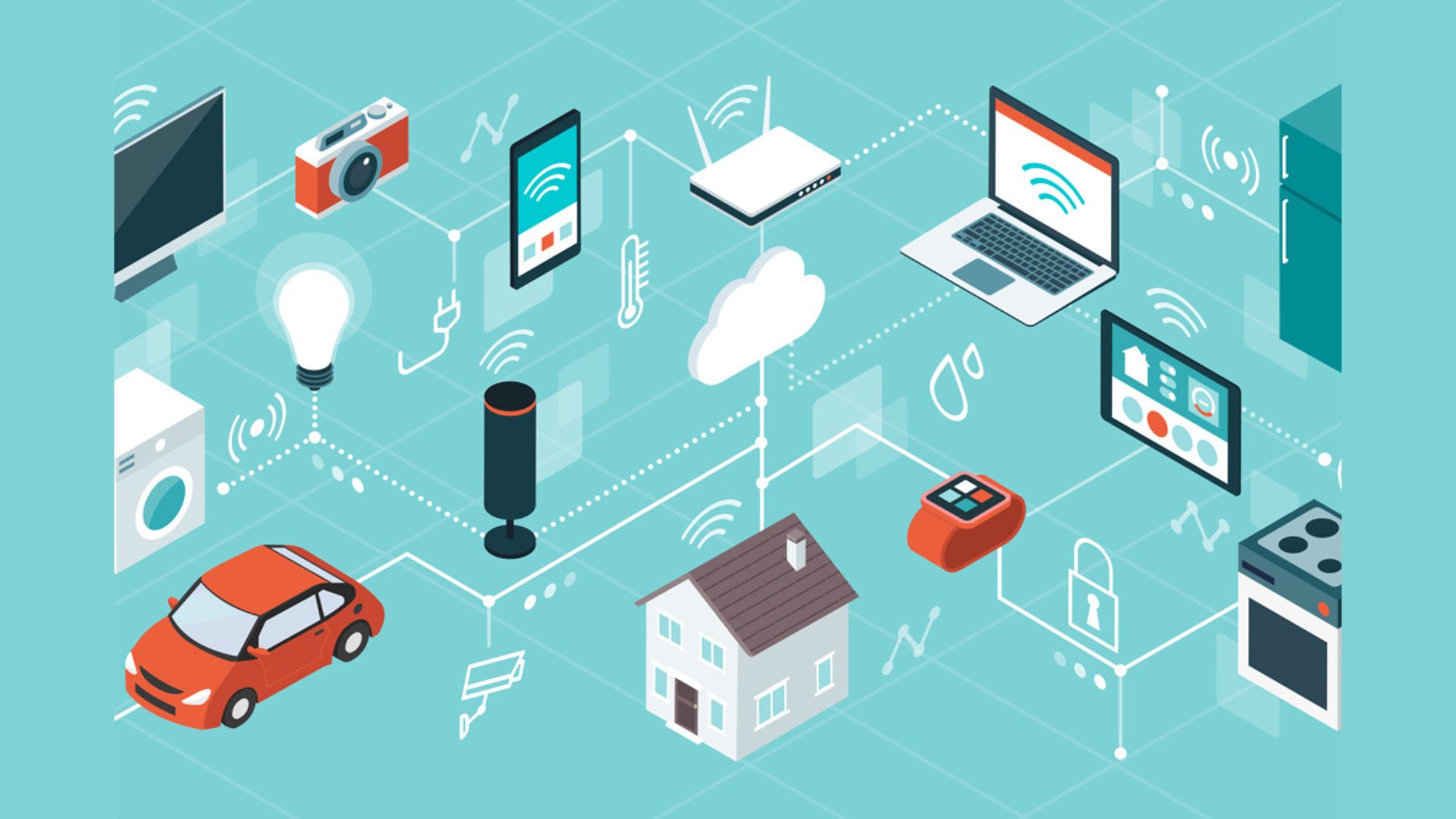
Electrical wiring that is the Internet of Things (IoT) has the potential to transform home automation completely, giving homeowners unmatched convenience, control, and peace of mind. Through device integration, remote access, energy usage optimization, and increased security, this technology improves living conditions overall and promotes a more sustainable way of life.
IoT-enabled electrical wiring is becoming more innovative as a result of manufacturers and developers spending on research and development in response to the growing demand for smart home solutions.
This technology has the potential to become the foundation of future houses and completely change how we interact with our living areas if it is implemented correctly and integrated seamlessly.
How Does IoT In Electrical Systems Affect End-Users And Communities?
The integration of the Internet of Things (IoT) in electrical systems marks a transformative shift in how end-users and communities interact with and benefit from energy resources. Fundamentally, IoT-enabled electrical systems provide a more customized, effective, and responsive method of managing energy use, having a significant impact on both individual users and larger communities.
The benefit of IoT for end users is real-time energy monitoring, which enables people to utilize smart devices to track their patterns of power usage. Due to their increased knowledge, consumers are able to make better decisions and save money by optimizing their energy use.
For example, IoT-connected appliances and smart thermostats may automatically change settings in response to peak demand periods and user preferences, increasing convenience and boosting energy efficiency.
Through better grid management, IoT in electrical infrastructure greatly benefits communities on a larger scale. IoT-enabled smart grids improve overall power supply dependability, minimize outages, and enable improved demand responsiveness.
This is especially important in regions that frequently experience extreme weather events since IoT may facilitate swift recovery and efficient control of the electrical infrastructure.
Moreover, the integration of IoT into electrical systems is essential to the advancement of innovative city development. These interconnected metropolitan areas use IoT to manage public utilities, integrate renewable energy sources, and optimize street lighting, creating environmentally conscious and sustainable communities. This raises everyone's standard of living while simultaneously encouraging a feeling of group responsibility for energy saving.
The influence of IoT on electrical systems goes much beyond simple technological progress. It represents a paradigm change in the direction of a more integrated, effective, and sustainable approach to energy usage, having a significant impact on people's lives as well as the well-being of their communities.
Challenges Associated With Deploying IoT In EPES And Solutions For Them
The utilization of IoT for EPES comes with a number of benefits. Still, it also has a number of drawbacks, such as connection issues, power management issues, sensing complexity issues, and security issues.
The adoption of a variety of strategies that contribute to the realization of the goal of an "intelligent cyber-secured electric power network" is being done as a means of overcoming these problems.
Connectivity Challenges
The transport of data between IoT devices is accomplished via a variety of communication protocols, including Wi-Fi, ZigBee, and BLE. These protocols all run in the same frequency range, which is 2.4 GHz, and as a result, there is a potential for interference, which would result in a considerable drop in network quality.
The deployment of wireless convergence modules, which are able to handle numerous protocols at once and prevent coexistence difficulties, is one strategy that is used to overcome this difficulty.
Power Management Challenges
One of the most important things to do with Internet of Things devices is to monitor and control their power usage, as these devices often run independently on battery power.
Because these data monitoring Internet of Things devices are often necessary to be installed in areas that are not easily accessible, it might be challenging to provide a consistent power source or to replace the battery in the device.
Therefore, in order to make the gadgets last for a more extended period, they need to be equipped with some kind of energy-harvesting technology.
Lack Of Infrastructure And Skill Set
Because Internet of Things technology is utilized in fields as varied as medicine, education, mining, and transportation, the implementation of an Internet of Things system should only take place once all of the precursor requirements have been satisfied.
These factors include having an appropriate infrastructure for power supply and data gathering. In the case of electricity systems, there will be a need for more space in the currently installed infrastructure in order to install the Internet of Things (IoT) hardware and to build the requisite connections for monitoring.
Because practically all of the existing infrastructure was constructed with the sole purpose of accommodating the components of the power system, the scale at which this endeavor must be carried out is enormous. The Internet of Things (IoT) is still a relatively novel idea that is gradually making its way into the primary technology industries.
When integrating IoT technology into preexisting systems, the engineer in charge of the project has to be equipped with the appropriate skill set and have a solid comprehension of the power infrastructure that is already in place in the environment where IoT technology is being implemented. Maintenance of these problematic and expensive systems will require the assistance of trained specialists.
Environmental Security
In the event that a natural disaster or any other event takes place that brings the electrical system to a halt, the end-to-end backup capabilities of an IoT system can be utilized. It has always been challenging to design Internet of Things devices with both power and data backup.
Companies tend to disregard the systems that include less vital functionalities and data due to the fact that the additional hardware takes up space in the design and requires a recurrent expense for the exploitation of resources. Even if a power-backup system is put into place, there is a good chance that it will fail since power outages can last for much longer than the actual disaster.
In these predicaments, data analysis and optimization algorithms are of assistance to the authorities in determining an alternate route to the feeder for the purpose of giving emergency power to afflicted locations that have more substantial or crucial systems.
The algorithms may also be utilized to provide an alternative source of power transmission for regions that were not directly hit by the catastrophe but are currently dealing with power outages as a result of damaged transmission lines.
Cyber Security Challenges
Once an IoT device is linked to the internet, it becomes an easy and vulnerable target for cybercriminals since the computing capacity of these devices is typically restricted in order to conserve energy. Distributed denial of service attacks (also known as DDoS assaults) and ransomware are among the most popular kinds of cyber attacks.
There have been other events in the past, such as the Mirai botnet assault, which had an impact on over 100,000 nodes that were connected to the Internet of Things. Utilizing security measures such as air-gapped networks, massive pipes, anomaly detection methodologies, and traffic filtering can help mitigate the effects of distributed denial of service assaults.
The Power Of IoT In Electrical Systems - FAQs
What Does The Electrical Term IoT Mean?
It refers to a network of physical objects that are connected to the internet.
What Benefits Might IoT Offer For Electric Cars?
Infrastructure for EV charging may be remotely managed and monitored thanks to Internet of Things technologies.
What Are The Benefits Of IoT?
Businesses may enhance production and profitability by streamlining processes and cutting waste with the aid of IoT.
Conclusion
The integration ofthe power of IoT in electrical systemsis heralding an innovative era in energy management and use. This technology, which offers previously unheard-of levels of efficiency, dependability, and ease, is revolutionizing the way we use, monitor, and engage with power.
The Internet of Things plays a critical role in maximizing energy resources, cutting expenses, and promoting environmental sustainability as we transition to a more connected and sustainable future.
Accepting this technical development is a step toward more responsible and responsive ways to fulfill our present and future energy demands, as well as a move toward more innovative energy solutions.